Mastering the Essentials of Mural Painting Essentials
- Open Air Gallery
- Mar 11
- 4 min read
Creating a mural is more than just painting on a wall. It’s about transforming a space, telling a story, and making a bold statement. When done right, murals captivate attention and leave a lasting impression. I’ve learned that mastering the essentials of mural painting is key to delivering impactful, large-scale art installations that resonate with viewers and elevate brands. Whether you’re planning a mural for a business, a brand, or an organization, understanding these essentials will set you up for success.
Understanding Mural Painting Essentials
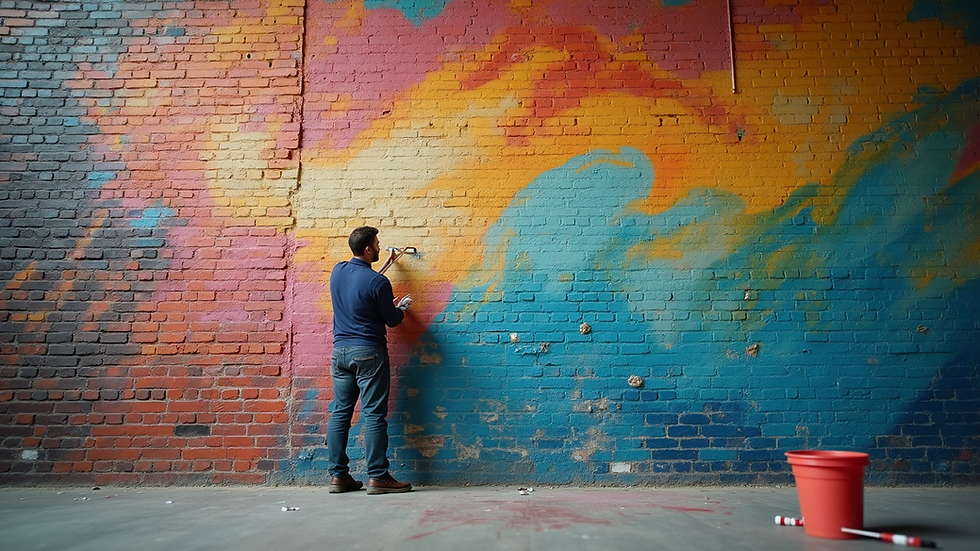
Before you pick up a brush, it’s crucial to grasp the basics of mural painting essentials. These fundamentals guide every step of the process, from concept to completion. First, consider the surface. Walls vary in texture, material, and condition. A smooth, primed wall behaves differently than a rough brick or concrete surface. Preparing the wall properly ensures your mural lasts longer and looks professional.
Next, think about scale and design. Large murals require planning. I always start with sketches and scale models. This helps me visualize how the artwork will fit the space and interact with its surroundings. Use grids or projectors to transfer your design accurately onto the wall. This step saves time and reduces errors.
Finally, choose the right paints and tools. Acrylic paints are popular for murals because they dry fast and resist weather. For outdoor murals, use weatherproof sealants to protect your work. Brushes, rollers, and spray equipment each have their place. Experiment to find what works best for your style and the mural’s demands.
Planning Your Mural Project
Planning is the backbone of any successful mural. Start by defining the purpose of the mural. What message should it convey? Who is the audience? What emotions do you want to evoke? Clear answers to these questions shape your design and execution.
Next, secure permissions and permits. Many cities require approval for public murals. Check local regulations early to avoid delays. Also, consider the location’s visibility and lighting. A mural in a busy area with good natural light will have more impact.
Budgeting is another critical step. Factor in materials, labor, equipment rental, and protective coatings. Don’t forget to allocate time for wall preparation and drying between layers. A well-planned schedule keeps the project on track.
Essential Techniques for Mural Painting
Mastering mural painting techniques is essential for a flawless finish. Start with surface preparation. Clean the wall thoroughly to remove dirt, grease, or loose paint. Patch cracks and sand rough spots. Apply a primer suited to the wall type.
When transferring your design, use a grid system or a projector. The grid method breaks your design into manageable sections, making it easier to scale up. A projector can display your image directly on the wall, speeding up the process.
Layering is key. Begin with broad background colors and shapes. Build up details gradually. Use bold, simple shapes for visibility from a distance. For fine details, switch to smaller brushes or spray paint.
Protect your mural with a clear sealant. This shields the paint from UV rays, moisture, and graffiti. Choose a matte or glossy finish depending on the desired look.
Tools and Materials You Can’t Skip
Having the right tools and materials makes mural painting smoother and more enjoyable. Here’s what I always keep on hand:
Acrylic paints: Durable and vibrant, perfect for indoor and outdoor murals.
Primers and sealants: Essential for wall prep and protection.
Brushes and rollers: Various sizes for different painting stages.
Spray paint: Great for large areas and blending.
Ladders and scaffolding: Safety first when working on tall walls.
Protective gear: Gloves, masks, and goggles to stay safe.
Investing in quality materials pays off. Cheap paints may fade or peel quickly, undermining your hard work.

Bringing Your Mural to Life
Now comes the exciting part - painting your mural! Start early in the day to take advantage of natural light. Work in sections, completing one area before moving on. This approach keeps the mural cohesive and manageable.
Stay flexible. Weather, wall texture, and unexpected challenges can affect your progress. Adapt your techniques as needed. For example, if the wall is rough, use thicker paint layers or spray paint for better coverage.
Engage with the community if possible. Murals often become local landmarks. Sharing your process can build excitement and support.
Remember, patience is vital. Large murals take time. Rushing leads to mistakes. Take breaks, step back often, and view your work from different angles.
For those looking for more detailed advice, I recommend checking out these mural painting tips to refine your approach.
Elevate Your Brand with Stunning Murals
Murals are powerful tools for brands and organizations. They create memorable visual impact and draw public attention. When you master the essentials of mural painting, you unlock the ability to craft art that speaks volumes.
Think beyond decoration. A mural can tell your brand’s story, highlight values, or celebrate community. It becomes a landmark that people associate with your identity.
At Open Air Gallery, we specialize in large-scale murals that do just that. Our expertise ensures every project is executed flawlessly, from concept to final sealant. We help brands expand their reach beyond NYC and make a lasting impression worldwide.
If you want your space to stand out, mastering mural painting essentials is the first step. With the right preparation, tools, and techniques, your mural will captivate and inspire.
Mastering mural painting essentials is a journey. It takes practice, planning, and passion. But the results? Stunning, impactful art that transforms spaces and elevates brands. Ready to start your mural adventure? Grab your brushes and let’s create something unforgettable.


Comments